Preparing Kids and Pets for a Hurricane
Children and animals experience a storm as a loss of routine and control. Practical ways to reduce fear, keep everyone accounted for, and avoid the mistakes that separate families from their pets.
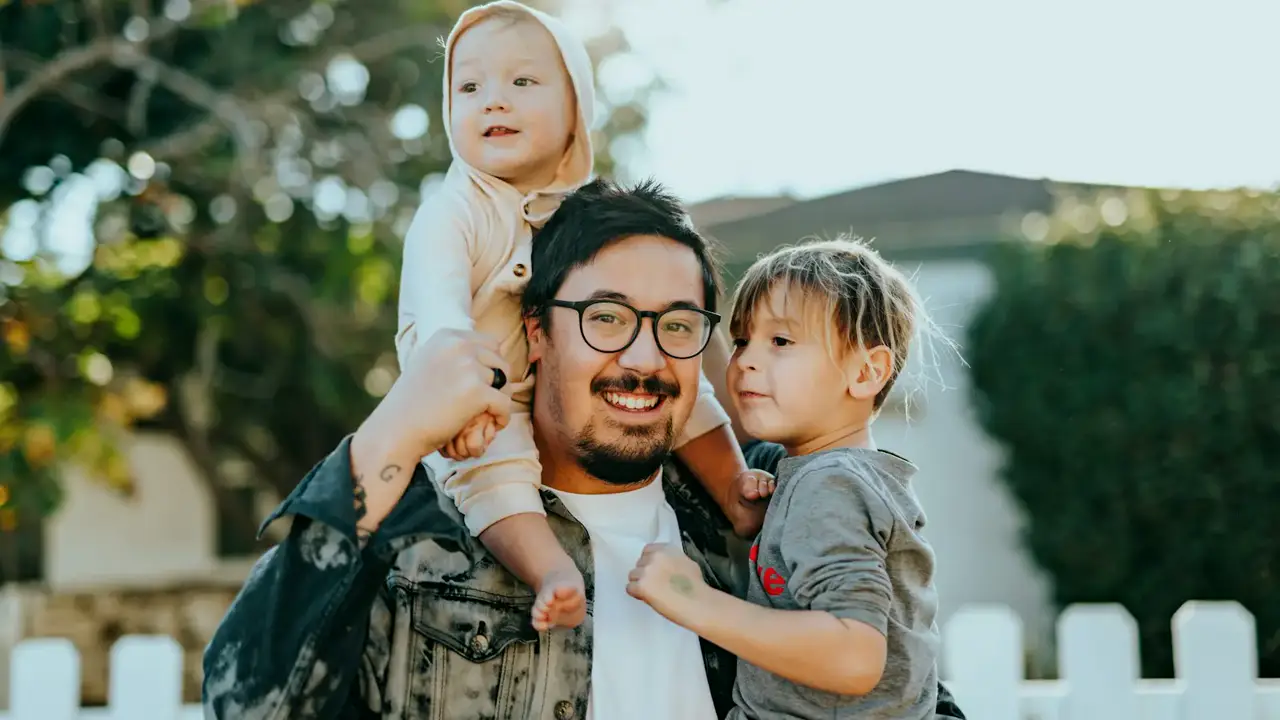
Photo via Unsplash
Affiliate disclosure. Links labeled “View on Amazon” are paid links. If you buy through them, we may earn a commission at no extra cost to you. We only link listings we have checked, and we do not publish star ratings. Read the full disclosure.
Gear that matches this guide

Adventure Medical Kits Me & My Dog Medical Kit, Human & Canine First Aid
A combined human and dog kit covers the paw cuts, the leash-side scrapes, and the people injuries in one bag.
Works in its favor
- Built for the two patients you will actually have if you evacuate with a dog
- Small enough for the pet go-bag
- A reminder to pack the dog's records next to the gauze
Know this first
- It is a small kit. It does not include the dog's food, medications, or a carrier
- Cats are not the patient it was packed for
- Check it yearly. Ointments expire
Verdict. Add it to the pet bag along with food, water, a leash, and vaccination records. It is not the whole bag.
Photo via Unsplash. Scene photo, not a manufacturer product image.
View on AmazonSwiss Safe 2-in-1 246 Pcs Kids First Aid Kit
A kids' first-aid kit puts child-sized bandages and the basics where a caregiver can reach them.
Works in its favor
- Packed for smaller scrapes and the supplies you want in a child's go-bag
- Separate from the household case, so the car kit is not raided
- Inexpensive next to the rest of a family's kit
Know this first
- A consumer kids' kit is not pediatric medical care
- It will not include a child's prescriptions, an EpiPen, or an inhaler. Those are your job
- Small piece counts run out in a real week-long displacement
Verdict. Useful in the child's backpack. Keep the real medications in a labeled pouch you check every month.
Photo via Unsplash. Scene photo, not a manufacturer product image.
View on AmazonAdults experience a hurricane as a logistics problem. Children and animals experience it as chaos — the adults are tense, the routine collapses, the lights go out, and the house makes frightening noises. A good part of preparing a household is managing that experience, not just the supplies.
Talking to children about a storm
Tell them the truth, at their level. Children fill information gaps with imagination, and what they imagine is usually worse than reality. A calm, concrete explanation — "a big storm with a lot of wind and rain is coming, and here is what we're doing to stay safe" — reduces fear more than reassurance that avoids the subject.
Give them a job. Control is the antidote to helplessness. Let them pack their own comfort bag, check flashlight batteries, count water bottles, or fill pet bowls. A child with a role is much calmer than a child being managed.
Limit storm coverage. Continuous televised disaster footage is frightening and, for young children, hard to distinguish from something happening right now. Check forecasts yourself and share what matters.
Practice. Walk through the safe room. Do a family drill in daylight so the real thing is a repetition rather than a first experience. Practice the out-of-state contact number until everyone can recite it.
Manage your own visible stress. Children calibrate almost entirely off adult affect. You do not have to be calm; you have to appear steady in front of them.
A kid's storm kit
- A favorite stuffed animal, blanket, or comfort object — the single most important item
- Books, coloring supplies, card games, and puzzles that require no screen or power
- A headlamp or child-safe flashlight that is theirs
- Familiar snacks
- Ear protection or noise-cancelling headphones for the loud hours
- A change of clothes and any comfort routine items
- Diapers, wipes, formula, and bottles for infants, in quantities for a full week
- A card in their bag with their name, parents' names, phone numbers, and any allergies
During the storm
Set up the safe room — an interior room on the lowest safe floor, no windows — as a fort rather than a bunker. Bring pillows, blankets, snacks, and games. Keep to routines where you can: meals at normal times, the usual bedtime story by flashlight. For long outages, structure the day loosely so children know what comes next.
Afterward, expect regression in young children — clinginess, sleep disruption, bedwetting, and repetitive play about storms. This is normal processing and usually resolves within a few weeks. If it persists or intensifies, talk to a pediatrician. Let children help with cleanup in safe ways; participating in recovery restores a sense of agency.
Pets: the single most important rule
If it is not safe for you, it is not safe for them. Never leave an animal behind. Pets left in an evacuated home frequently do not survive, and rescuers cannot reliably reach them.
Federal law after Hurricane Katrina requires state and local emergency plans to account for household pets and service animals, so pet-friendly shelter options exist in most jurisdictions — but they are usually specific facilities, and they are usually not the same building as the general-population shelter. Find out which one serves your area before the season.
The pet kit
- Seven days of food in a waterproof container, plus a manual can opener
- Water — roughly one ounce per pound of body weight per day
- Bowls, and a spare leash and collar with current ID tags
- A carrier for each animal, large enough to stand and turn around in — required at nearly every shelter
- Vaccination records and a current photo of you with the pet, which proves ownership if you are separated
- Medications and a copy of prescriptions
- Litter, a disposable litter box, waste bags, cleaning supplies, and paper towels
- A comfort item: a familiar blanket or toy
- Calming aids if your veterinarian recommends them for storm anxiety
Microchips and identification
Microchip every animal and — this is the part people miss — confirm the registration information is current with the chip registry. A chip with an out-of-date phone number reunites nobody. Add a visible ID tag with a mobile number and an out-of-area contact number, since local numbers may be unreachable.
Before landfall
- Bring all animals inside well before conditions deteriorate. Animals sense pressure changes and will hide, and hunting for a cat under a shed during 50 mph gusts is a genuine hazard.
- Keep cats confined to one room so you can find them fast when it is time to go.
- Walk dogs early and often; there may be no safe opportunity for many hours.
- Set up an indoor toilet area — pee pads or a tray of soil — for a long confinement.
- Keep animals away from windows during the storm.
After the storm
Familiar scent markers are gone, so pets disorient easily and bolt. Keep dogs leashed even in a fenced yard, since fences are frequently damaged. Check the yard for debris, downed lines, standing contaminated water, and displaced wildlife before letting animals out. Do not let pets drink floodwater. Expect behavioral changes — hiding, appetite loss, clinginess — for a week or more, and re-establish feeding and walking routines as quickly as you can.
Add these items to your household plan with the free hurricane checklist.
Continue reading

Hurricane Prep for Renters and Apartment Dwellers
You cannot install shutters or replace a roof, but the things that actually determine your outcome are mostly within your control. A renter-focused preparedness guide.
Hurricane Planning for Medical Needs, Seniors, and Disabilities
Power-dependent equipment, refrigerated medication, mobility limits, and dialysis schedules all need a plan made months in advance. Here is how to build one.
Building a Family Emergency Communication Plan
Cell networks fail exactly when you need them. How to build a communication plan that works when the towers are down and the family is scattered.