Hurricane Prep for Renters and Apartment Dwellers
You cannot install shutters or replace a roof, but the things that actually determine your outcome are mostly within your control. A renter-focused preparedness guide.

Photo via Unsplash
Affiliate disclosure. Links labeled “View on Amazon” are paid links. If you buy through them, we may earn a commission at no extra cost to you. We only link listings we have checked, and we do not publish star ratings. Read the full disclosure.
Gear that matches this guide
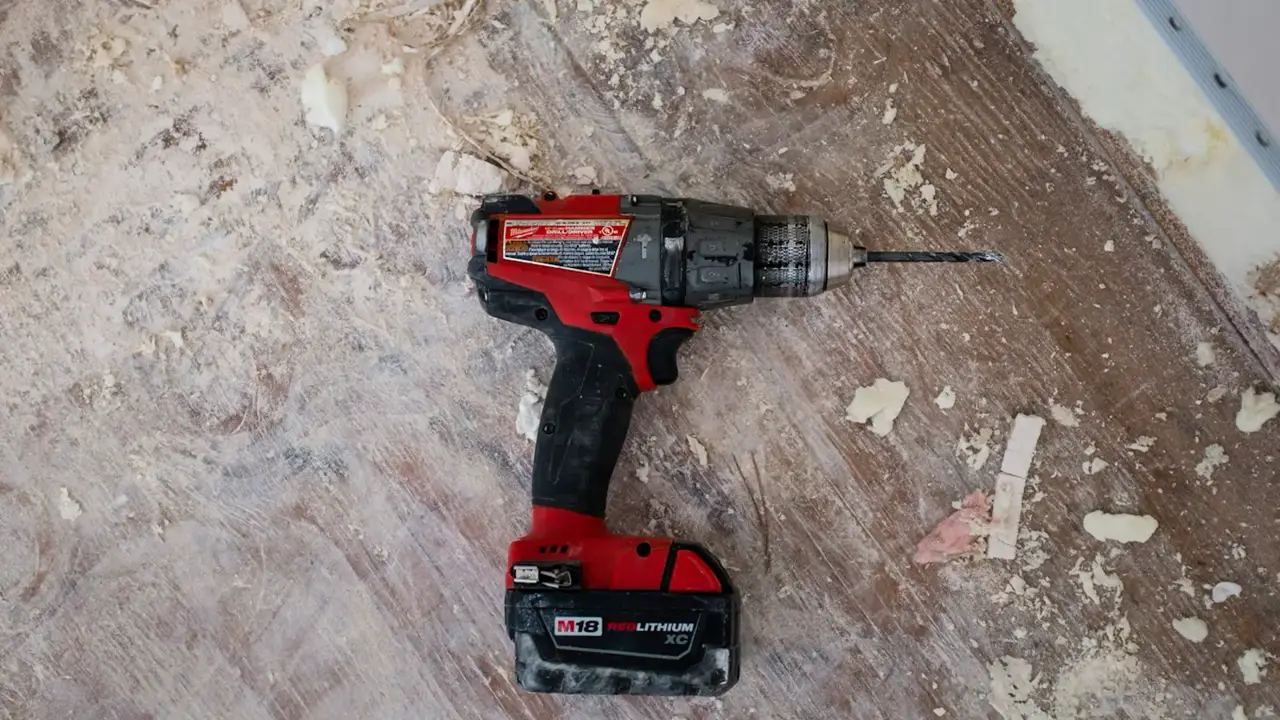
PLYLOX Hurricane Window Clips (Carbon Steel, 1/2")
Plywood clips are how a pre-cut panel stays on the window. They are not the panel.
Works in its favor
- Lets you fasten plywood without hunting for the right screw in the dark
- Reusable season after season if you label the panels
- A small pack is enough to practice on one window before you commit
Know this first
- You still need exterior-grade plywood, cut and pre-fit
- Clips do not turn plywood into a Miami-Dade rated shutter
- A single small pack will not cover a whole house
Verdict. Fine for testing the method on one opening. A whole house wants the larger pack.
Photo via Unsplash. Scene photo, not a manufacturer product image.
View on AmazonPLYLOX Hurricane Window Clips 20 Pack (Carbon Steel, 1/2")
A 20-pack of carbon-steel plywood clips is the usual fastener when you are boarding windows yourself.
Works in its favor
- Enough clips to cover more than a couple of openings
- The panels come down and go back up next season
- Far cheaper than accordion shutters
Know this first
- Plywood is heavy, and installing it in rising wind is a bad plan. Pre-fit everything in May
- Not a substitute for a wind-rated garage door or a brace
- Carbon steel will rust if you store the clips wet
Verdict. The budget opening-protection purchase that actually changes what your windows do in a Category 2.
Photo via Unsplash. Scene photo, not a manufacturer product image.
View on AmazonSecure Door Brace for 7ft garage doors (pack options)
A garage door is the largest opening in most houses. A brace keeps it from buckling and pressurizing the house.
Works in its favor
- Addresses the failure that takes the roof off after the door folds
- Installs for a storm and comes down afterward
- Much cheaper than a wind-rated replacement door
Know this first
- Match the brace to the door height. This listing is the 7-foot option
- A brace is not a shutter, and it does not protect windows
- You have to install it before the wind arrives, not during it
Verdict. If you only harden one opening this year, make it the garage door.
Photo via Unsplash. Scene photo, not a manufacturer product image.
View on AmazonMost hurricane advice is written for homeowners: brace the garage door, install impact windows, service the standby generator. If you rent, none of that is yours to do. That does not make you less prepared — it changes which levers you have. And several of the most important ones, including insurance and evacuation timing, are entirely yours.
Renters insurance is the big one
Your landlord's policy covers the building. It covers nothing you own. If wind-driven rain destroys your furniture, electronics, and clothing, the landlord's insurer is not paying for any of it.
Renters insurance is inexpensive — commonly $15 to $30 a month — and it typically covers:
- Your personal property, generally including wind damage
- Additional living expenses if the unit becomes uninhabitable, which is the coverage that actually saves people financially after a hurricane, because hotel costs for weeks add up fast
- Liability
Two things to check specifically. First, flood is excluded, exactly as with homeowners policies — renters can buy contents-only flood coverage through the National Flood Insurance Program, and if you are on a ground floor anywhere near a surge or flood zone, you should. Second, ask whether the policy pays replacement cost or actual cash value; replacement cost is worth the small premium difference.
Buy or upgrade coverage in the off-season. Binding restrictions kick in once a storm is named.
Know your building
Ask your landlord or property manager these questions in writing, before the season:
- Is the building in an evacuation zone, and which one?
- Does the building have shutters, impact glass, or any opening protection?
- What is the property's storm policy — does management board anything up, and do they notify residents?
- Does the building have generator backup, and does it cover elevators, hallway lighting, and water pumps, or only life safety?
- How do you report emergency damage during and after a storm?
- Where are the water shutoff and electrical panel for your unit?
- Is there a designated interior common area for sheltering?
Put the property's emergency number in your phone and on your paper contact card.
The high-rise problem
Wind speed increases substantially with height. A storm producing 100 mph at ground level can produce significantly stronger winds thirty floors up. Add to that:
- Elevators shut down before and during a storm, and stay down through the outage. Consider whether you can manage twenty flights of stairs with water, supplies, or a mobility limitation.
- Water pressure depends on electric pumps. Upper floors lose water first.
- Balconies are debris sources. Everything on yours must come inside — furniture, plants, grills, decorations.
Many emergency managers advise residents above roughly the tenth floor to relocate lower or leave entirely for a significant storm. If you stay, shelter in an interior hallway, stairwell landing, or bathroom away from all glass.
Ground floor and flooding
If you are on a ground floor, your exposure is water. Elevate anything valuable off the floor before a storm — furniture on blocks, boxes onto shelves, electronics up high. Move irreplaceable items to a friend's upper-floor unit if you can. Photograph everything first.
What you can do without permission
- Clear the balcony or patio completely.
- Close and lock all windows and sliding doors; lock pins in sliders resist wind better.
- Close interior blinds and curtains — they contain glass fragments if a window fails.
- Move furniture away from windows and into interior spaces.
- Fill the bathtub for flush and wash water.
- Charge everything, including battery banks, and fill the car.
- Do laundry and run the dishwasher so you start the outage clean.
- Ask your landlord in writing about removable window film or approved temporary panels; many will permit them and some will help.
The renter's kit
Storage space is the constraint, so build compact:
- A week of water — collapsible containers and a bathtub bladder store flat
- Shelf-stable no-cook food and a manual can opener
- Headlamps and LED lanterns rather than bulky flashlights
- A large battery bank and a small folding solar panel — quiet, safe indoors, and viable where a generator is not permitted or possible
- Battery-powered fans, which matter enormously in an unairconditioned apartment
- A hand-crank NOAA weather radio
- First aid kit and two weeks of medication
- Cash in small bills
- A waterproof document pouch with your lease, renters policy, IDs, and inventory
Note that portable generators are essentially never usable in an apartment — there is no location that satisfies the 20-foot rule safely. Battery power stations are the correct answer for renters.
Evacuating is easier for you
You have no roof to tarp and no property to defend. Renters can and generally should evacuate earlier and more readily than homeowners. Take your documents, your electronics, your irreplaceable items, and your pets, and go inland before the traffic starts.
After the storm
Document damage to your belongings thoroughly and immediately, and report habitability problems to your landlord in writing, keeping copies. Know your state's tenant rights regarding uninhabitable units, rent abatement, and lease termination after a casualty — these vary considerably and most renters never look them up until they need them. Do not attempt repairs to the building yourself; document, report, and follow up.
Work through the whole list with our free hurricane checklist.
Continue reading

Preparing Kids and Pets for a Hurricane
Children and animals experience a storm as a loss of routine and control. Practical ways to reduce fear, keep everyone accounted for, and avoid the mistakes that separate families from their pets.

Hurricane Planning for Medical Needs, Seniors, and Disabilities
Power-dependent equipment, refrigerated medication, mobility limits, and dialysis schedules all need a plan made months in advance. Here is how to build one.
Building a Family Emergency Communication Plan
Cell networks fail exactly when you need them. How to build a communication plan that works when the towers are down and the family is scattered.