The First 72 Hours After a Hurricane: A Safety Sequence
More injuries happen after the storm than during it. A step-by-step sequence for the first three days, from the moment the wind drops to the first insurance call.
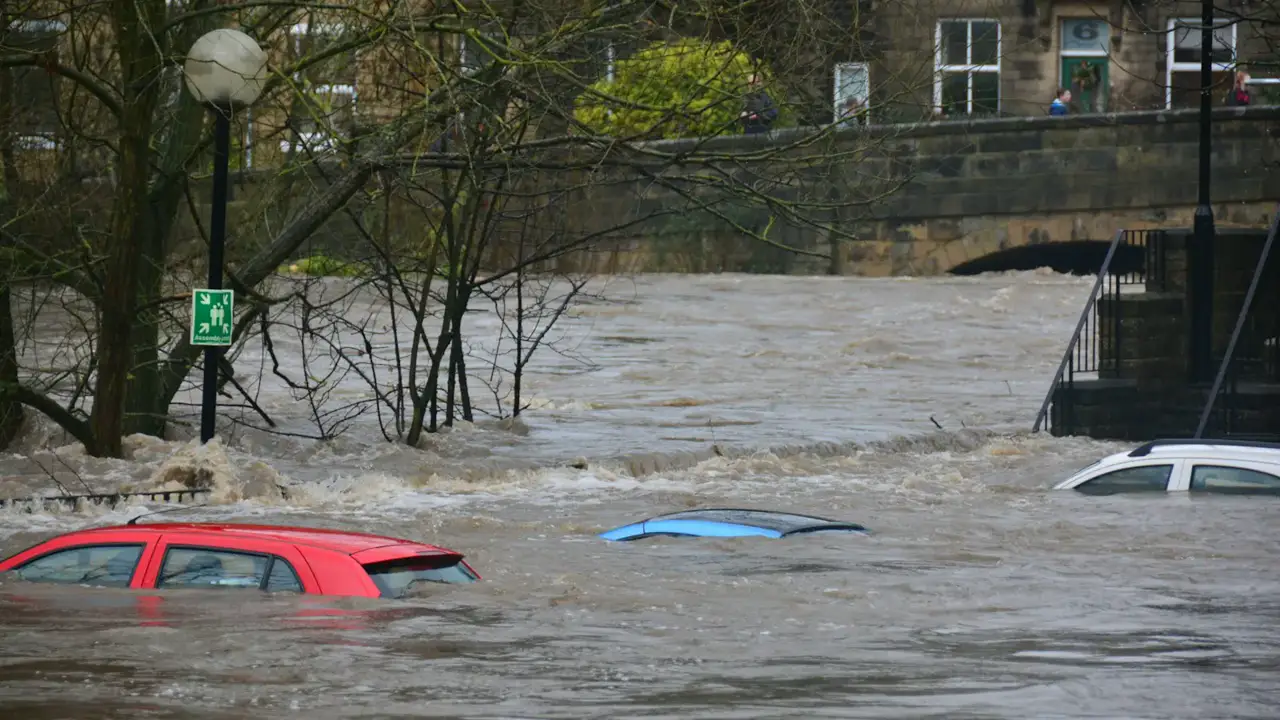
Photo via Unsplash
Affiliate disclosure. Links labeled “View on Amazon” are paid links. If you buy through them, we may earn a commission at no extra cost to you. We only link listings we have checked, and we do not publish star ratings. Read the full disclosure.
Gear that matches this guide
Honda EU2200i 2200 Watt Inverter Generator (EU2200ITAN)
A 2,200-watt inverter covers a refrigerator, fans, lights, phones, and a CPAP without the fuel burn of a construction generator.
Works in its favor
- Inverter output is the right kind of power for phones, routers, and medical devices
- Quiet and fuel-efficient compared with an open-frame generator of the same watts
- Light enough for one person to move, which matters when you are staging it 20 feet from the house
Know this first
- It will not run central air or a large well pump
- It still produces carbon monoxide. Never run it in a garage, carport, or under a window
- Honda inverter pricing sits well above no-name units
Verdict. Buy this if the job is the fridge, communications, and medical gear, and you can keep it 20 feet from every door and window.
Photo via Unsplash. Scene photo, not a manufacturer product image.
View on AmazonChampion 2000-Watt Stackable Portable Inverter Generator
A 2,000-watt stackable inverter is the lower-cost way into the same job: fridge, fans, and charging, with the option to pair a second unit later.
Works in its favor
- Inverter power in the wattage most households actually need for a multi-day outage
- Stackable design lets you add capacity later instead of overbuying now
- Lower purchase price than the Honda class of inverter
Know this first
- Same carbon-monoxide rules as any gasoline generator
- Two thousand watts is a ceiling, not a suggestion. A window air conditioner plus a fridge can trip it
- You still need fuel, a heavy outdoor cord, and a plan for rain
Verdict. The practical pick when the Honda price is the thing stopping you from owning an inverter at all.
Photo via Unsplash. Scene photo, not a manufacturer product image.
View on Amazon
Anker 525 Power Bank (PowerCore Essential 20K PD), 20000mAh, 20W USB-C
A 20,000 mAh USB-C pack keeps phones, a radio, and a headlamp alive through the first night without a generator.
Works in its favor
- Runs phones and small USB devices indoors, with no carbon monoxide
- USB-C power delivery is enough for a phone and many handheld radios
- Lives in a drawer. You do not store gasoline for it
Know this first
- It will not run a refrigerator, a fan for very long, or a CPAP through the night unless the machine is a low-watt model and you do the math
- You have to charge it before the outage
- Twenty watts out is a phone charger, not a job-site inverter
Verdict. Buy it for communications. Do not tell yourself it replaces a generator.
Photo via Unsplash. Scene photo, not a manufacturer product image.
View on AmazonJackery Explorer 300 Portable Power Station, 292Wh
A 292 watt-hour power station runs lights, radios, phones, and a CPAP indoors, silently, for a short outage.
Works in its favor
- Safe to use inside. No exhaust
- Enough energy for communications and a low-watt medical device, which is the failure that actually strands people
- Pairs well with a short daily generator run that recharges it
Know this first
- 292 Wh will not hold a refrigerator overnight. A fridge is roughly 1 to 1.5 kWh a day
- Solar charging is a separate purchase
- Heavier and more expensive than a phone power bank
Verdict. The indoor half of a backup-power plan. Keep a generator or a neighbor's plan for the refrigerator.
Photo via Unsplash. Scene photo, not a manufacturer product image.
View on AmazonShop-Vac 5989300 5 Gallon 4.5 Peak HP Stainless Wet/Dry Vac, Blower
A small wet/dry vac is how you pull water out of a wet floor once it is safe to plug something in.
Works in its favor
- Picks up the shallow water a mop just moves around
- Stainless tank handles dirty water better than a household vacuum
- The blower port is useful for drying edges afterward
Know this first
- Do not use it in standing water while the floor is still energized or the water is above the outlet
- Five gallons fills fast. This is not a pump for a flooded room
- Floodwater is contaminated. Bag and discard what the vac pulls out of sewage-tainted water, and do not return that water to a drain casually
Verdict. The right tool after the water has receded to puddles. A sump or a trash pump is a different purchase.
Photo via Unsplash. Scene photo, not a manufacturer product image.
View on AmazonConcrobium Mold Control, 32 oz Spray
A 32-ounce bottle of mold control is what you spray on surfaces you were able to dry within a day or two.
Works in its favor
- Ready to spray, no mixing
- Useful on cleaned hard surfaces after they are dry to the touch
- Small enough to keep with the cleaning caddy
Know this first
- It does not dry a wet wall, and it does not make soaked drywall safe to keep
- Porous materials that stayed wet more than 48 hours usually have to be removed
- A spray bottle does not cover a whole flooded room
Verdict. Keep a bottle for the surfaces you saved. Cut out what you could not dry.
Photo via Unsplash. Scene photo, not a manufacturer product image.
View on AmazonConcrobium Mold Control, 1 Gallon Refill
A gallon refill is the amount you actually use if more than one room got wet.
Works in its favor
- Far more coverage than a single spray bottle
- Refills the sprayer you already have
- The right size if you are cleaning a garage plus a few walls
Know this first
- Same limit as the spray: it is not a reason to keep wet drywall or wet carpet
- You still need fans, gloves, and a place to throw out porous material
- Heavy to store, and you should keep it away from the drinking-water jugs
Verdict. Buy the gallon if you are in a flood zone. Buy the spray if you just want a bottle on the shelf.
Photo via Unsplash. Scene photo, not a manufacturer product image.
View on AmazonThe storm passing is not the end of the danger. Chainsaw injuries, falls from roofs, electrocution from downed lines, carbon monoxide poisoning, and heat illness all spike in the days after landfall. The recovery period kills and injures more people than the hurricane itself in many events. Working through it in a deliberate order keeps you out of that statistic.
Before you go outside
Make sure the storm has actually passed. If the wind drops suddenly and the sky clears, you may be in the eye. The calm can last from a few minutes to an hour, and the winds return from the opposite direction, often more violently. Stay inside until an official source says the system has cleared your area.
Check people first. Account for everyone in the household. Treat injuries. Then send one short text to your out-of-area contact — texts get through congested networks when voice calls do not.
Check for gas. If you smell gas or hear hissing, leave immediately, do not use switches or phones inside, and call the utility from a distance.
Hour 1-4: assess without creating new problems
- Wear real shoes. Sturdy closed boots, long pants, and work gloves. Nails, glass, and metal roofing debris are everywhere.
- Treat every downed line as energized. Stay at least 30 feet away, including from anything touching it — a fence, a puddle, a tree limb, a car. Report it to the utility.
- Do not enter standing water. It can hide energized lines, open manholes, sharp debris, sewage, chemicals, and displaced wildlife including snakes and fire ants. Six inches of moving water can knock an adult over.
- Inspect the structure from outside first. Look for shifted foundations, cracked or bulging walls, sagging roof lines, and leaning chimneys. If the structure looks compromised, do not go back inside.
- Do not climb on the roof. Falls from roofs are one of the leading post-storm injuries. Photograph the roof from the ground or with a drone and hire a professional for tarping if you are not experienced.
Hour 4-24: documentation and stabilization
- Photograph everything before moving anything. Wide shots and close-ups, interior and exterior, from every angle. Include a date reference. This is the foundation of your insurance claim.
- Call your insurer. Get a claim number on day one; adjuster queues grow fast after a major storm.
- Make temporary repairs to prevent further damage — tarps, plywood over openings, moving furniture off wet carpet. Save receipts; policies both require mitigation and reimburse it.
- Get water out. Every hour that standing water sits inside increases the eventual damage and the certainty of mold.
- Assume a boil-water notice is in effect until your utility says otherwise.
Generators and carbon monoxide
This is the single most lethal post-storm hazard, and it is entirely preventable. Run generators outdoors only, at least 20 feet from the house, with the exhaust pointed away from all doors, windows, and vents — including your neighbors'. Never in a garage, carport, breezeway, shed, or covered porch. Have battery-powered CO alarms on every level. The same rule applies to grills, camp stoves, and any fuel-burning device.
Chainsaws and tree work
Storm-damaged trees are under tension in ways that are not obvious, and they release unpredictably when cut. If you are not trained and equipped, hire someone. If you are proceeding:
- Chaps, eye protection, hearing protection, gloves, and boots
- Never cut above shoulder height, on a ladder, or alone
- Never cut a tree touching a power line — call the utility
- Watch for spring poles and bent saplings under load
- Take breaks; heat exhaustion and fatigue cause most chainsaw injuries
Day 2-3: living conditions and health
- Heat. Without air conditioning, heat illness is a real risk, especially for older adults and small children. Hydrate constantly, add electrolytes, work in the early morning, rest during the afternoon, and go to a cooling center if one opens.
- Wounds. Clean every cut immediately and thoroughly. Floodwater bacteria cause serious infections quickly. Check that tetanus shots are current before the season.
- Food. Use the temperature rules — discard refrigerated food held above 40°F for over two hours. When in doubt, throw it out. Medical care may be hours away.
- Mosquitoes. Standing water breeds them within days. Drain containers, tires, and buckets, and use repellent.
- Sleep and mental load. Recovery is a marathon. Exhausted people make dangerous decisions with ladders and saws. Rest is a safety measure.
Scams and contractors
Fraud follows hurricanes reliably. Verify state licensing and insurance before hiring anyone. Never pay in full up front — a reasonable deposit is normal, full prepayment is not. Get everything in writing with a scope and price. Be extremely cautious with any document assigning your insurance benefits to a contractor. Be wary of unsolicited door-to-door offers, cash-only demands, and pressure to decide immediately.
Help that exists
If the president issues a major disaster declaration for your county, individual assistance may be available through FEMA at disasterassistance.gov. Register even if you have insurance; the programs cover different things. Keep every receipt and every piece of documentation, including your claim number and adjuster correspondence.
Local voluntary organizations, faith groups, and the American Red Cross provide meals, tarps, cleanup supplies, and debris removal, often faster than federal programs. Your county emergency management page is the best place to find what is actually operating near you.
Before the next storm, close the gaps you just discovered — start with the free preparedness checklist.
Continue reading
Flood Cleanup and Mold Prevention After a Hurricane
Mold begins growing within 24 to 48 hours of water intrusion. What to remove, what to save, how to dry a house properly, and when to stop and call a professional.

Hurricane Prep for Renters and Apartment Dwellers
You cannot install shutters or replace a roof, but the things that actually determine your outcome are mostly within your control. A renter-focused preparedness guide.

Building a Family Emergency Communication Plan
Cell networks fail exactly when you need them. How to build a communication plan that works when the towers are down and the family is scattered.