How Much Water to Store for a Hurricane, and How to Store It
One gallon per person per day is the floor, not the goal. A practical guide to how much water your household needs, what to store it in, and how to treat water when the supply fails.
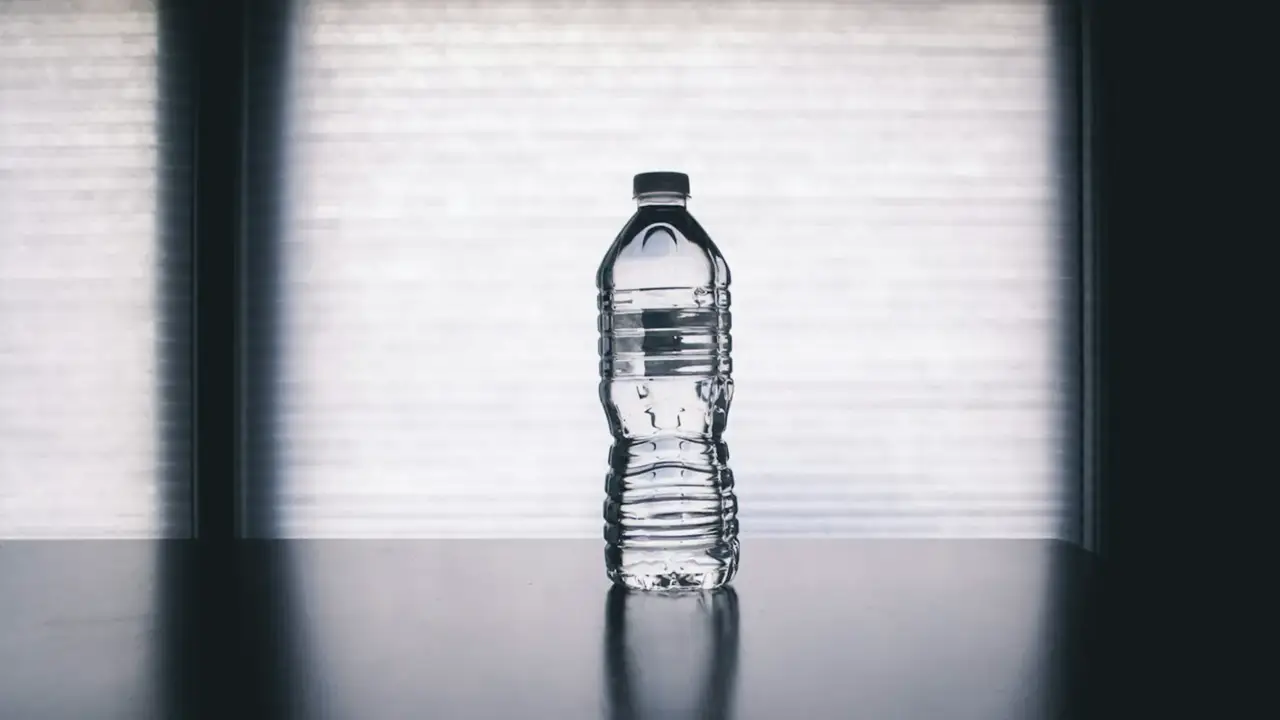
Photo via Unsplash
Affiliate disclosure. Links labeled “View on Amazon” are paid links. If you buy through them, we may earn a commission at no extra cost to you. We only link listings we have checked, and we do not publish star ratings. Read the full disclosure.
Gear that matches this guide
Reliance Products Aqua-Tainer 7 Gallon Rigid Water Container
A rigid 7-gallon food-grade container is the sensible way to store tap water you will rotate twice a year.
Works in its favor
- Food-grade HDPE, with a spigot, beats a row of milk jugs
- Seven gallons is a meaningful share of a household's drinking water
- Stacks and stores in a closet when the season is quiet
Know this first
- Full, it weighs about 58 pounds. Five-gallon jugs are easier to carry
- You still have to refill and date it. Water stored in your own container should be replaced every six months
- One jug is not a seven-day supply for a family
Verdict. Buy several, label the fill date, and keep them off a hot concrete floor.
Photo via Unsplash. Scene photo, not a manufacturer product image.
View on AmazonwaterBOB Bathtub Emergency Water Storage Bladder (up to 100 gallon) with hand pump
A bathtub bladder holds up to about 100 gallons of flushing and washing water that you fill when a storm is two days out.
Works in its favor
- Uses a tub you already have, so you are not storing 100 gallons year-round
- Includes a hand pump for getting water back out
- Cheap relative to the volume
Know this first
- Treat this water before drinking. It is for flushing, washing, and cleaning
- You need a bathtub. A shower stall does not work
- Fill it before landfall. It does nothing if you wait until the water is already off
Verdict. The right companion to stored drinking water, not a replacement for it.
Photo via Unsplash. Scene photo, not a manufacturer product image.
View on AmazonMunicipal water is the utility people assume will keep working, and it is frequently the one that fails first. Water treatment plants run on electricity. When the grid goes down and generators run out of fuel, pressure drops, contamination enters the lines, and a boil-water notice follows — except you may not have a working stove to boil with.
The math
The standard federal guidance is one gallon per person per day, for a minimum of three days. That number is the survival floor for drinking and minimal sanitation. It assumes a temperate climate and no exertion. Post-hurricane conditions in the Gulf and Southeast are neither.
A more realistic target:
- Drinking: 1 gallon per person per day in heat and humidity without air conditioning.
- Cooking and hygiene: another 0.5 to 1 gallon per person per day.
- Pets: roughly 1 ounce per pound of body weight per day. A 60-pound dog needs about half a gallon.
- Duration: plan for 7 days, not 3. After a major hurricane, water service restoration is commonly measured in weeks.
For a family of four with a dog, seven days works out to roughly 60 gallons. That sounds like a lot until you realize it is twelve five-gallon jugs, which fits in a closet.
What to store it in
Commercially bottled water is the simplest option. It arrives sealed and sanitized, and unopened bottles stored in a cool dark place stay safe well past the printed date, which is a quality date rather than a safety date. Keep it off concrete floors and out of sunlight.
Five to seven gallon rigid containers made of food-grade HDPE are the best value for bulk storage. A seven-gallon jug weighs about 58 pounds when full, which is at the limit of what most people can carry comfortably — five-gallon containers are easier to handle.
Bathtub bladders are inexpensive plastic liners that hold 60 to 100 gallons in a standard tub. Fill one when a storm is 48 hours out. This water is for flushing, washing, and cleaning; treat it before drinking.
Your water heater already holds 40 to 80 gallons of potable water. Turn off the power or gas to it and shut the cold inlet valve when a boil notice is issued, then drain from the bottom valve as needed.
Do not reuse milk jugs. Residual proteins and sugars are impossible to remove fully and will grow bacteria. Two-liter soda bottles, thoroughly cleaned, are acceptable.
Rotation
Water does not spoil, but its container can degrade and its taste will flatten. Replace tap water you have stored yourself every six months. A useful habit: refill at the start and midpoint of hurricane season. Label every container with the date it was filled.
Treating water when you run out
If the stored supply runs low, you need a way to make questionable water safe. Have at least two of these:
- Boiling. A rolling boil for one minute (three minutes above 6,500 feet) kills bacteria, viruses, and protozoa. It does not remove chemical contamination. Requires a heat source that is not your electric stove.
- Unscented household bleach. Standard 6% or 8.25% sodium hypochlorite with no added scent, dye, or cleaners. Use roughly 8 drops of 6% bleach per gallon of clear water, stir, and let it stand 30 minutes. The water should have a slight chlorine smell afterward; if it does not, repeat once. Bleach loses strength — replace the bottle annually.
- Purification tablets. Chlorine dioxide tablets are compact, shelf-stable for years, and handle protozoa that plain chlorine struggles with. Follow the package contact time, which can be up to four hours for cryptosporidium.
- A pump or gravity filter. A filter rated to 0.2 microns or finer removes bacteria and protozoa. Most do not remove viruses, so pair filtration with chemical treatment when the source is questionable.
Cloudy water should be pre-filtered through a coffee filter or clean cloth and allowed to settle before chemical treatment, because suspended solids protect pathogens from disinfectant.
Water sources to avoid after a storm
Floodwater after a hurricane routinely carries sewage, agricultural runoff, fuel, and industrial chemicals. No amount of boiling or bleach makes it safe, because the contamination is chemical as well as biological. The same applies to water from a flooded well until it has been shock-chlorinated and tested. Contact your county health department for well testing after any flood event.
The 48-hour fill
When a storm enters your forecast window, before landfall:
- Fill every bathtub, using a bladder if you have one
- Fill pots, pitchers, and food-grade containers
- Run the ice maker and bag the ice into the freezer — it doubles as cold storage for food and melts into drinking water
- Run the dishwasher and laundry so you start the outage with everything clean
Water is the heaviest, bulkiest, and most-forgotten part of a preparedness kit, and it is the one you cannot improvise around. Work through the rest of your supplies with our free hurricane checklist.
Continue reading

Food, Refrigeration, and Cooking Through a Multi-Day Outage
What actually keeps in a dead refrigerator, how long you have, what to stock that needs no cooking, and how to cook safely when the power is gone.
What Hurricane Categories Actually Mean for Your House
The Saffir-Simpson scale measures wind, and nothing else. Here is what each category does to a typical home, and why a Category 1 storm can still flood you out.
10 Essential Items for Your Hurricane Emergency Kit
Being prepared for a hurricane starts with having the right supplies. Here are the must-have items for your emergency kit.